

I understand this journey intimately—not just as an attorney, but as someone who suffered a terrible probate when my grandfather passed away. It destroyed my family. That experience led me to dedicate my life to helping others navigate life’s most difficult transitions. One of the most important steps families can take is early estate planning for disease in florida, especially when facing conditions like Alzheimer’s. Planning ahead can protect your legacy, safeguard your dignity, and prevent legal turmoil. Read my story here: www.JOValentino.com/about.
Charlie Scalies, beloved for his roles in iconic TV series like The Sopranos and The Wire, passed away at 84 after a battle with Alzheimer’s disease. He once thoughtfully remarked, “The world’s a smaller place than you think.” But did Alzheimer’s diminish his world before he could adequately protect it?
Planning ahead can protect your family from the devastating effects of Alzheimer’s and similar cognitive diseases. This article outlines critical estate planning lessons drawn from Charlie Scalies’ life and provides practical strategies to safeguard your legacy and dignity.
In this guide to estate planning for disease in Florida, you’ll learn how to safeguard your legacy before illness impairs your decision-making.

Why Estate Planning for Disease in Florida Must Start Early
Alzheimer’s gradually erodes cognitive abilities, impairing judgment, decision-making, and memory. This decline can severely complicate or even halt your ability to manage personal and financial affairs legally. Under Florida law, mental incapacity is assessed through formal court procedures outlined in Florida Statute §744.331. Without proactive estate planning, Alzheimer’s disease can lead to expensive guardianship proceedings, familial conflict, and loss of control over your life decisions.

Documents Needed for Estate Planning in Alzheimer’s Cases
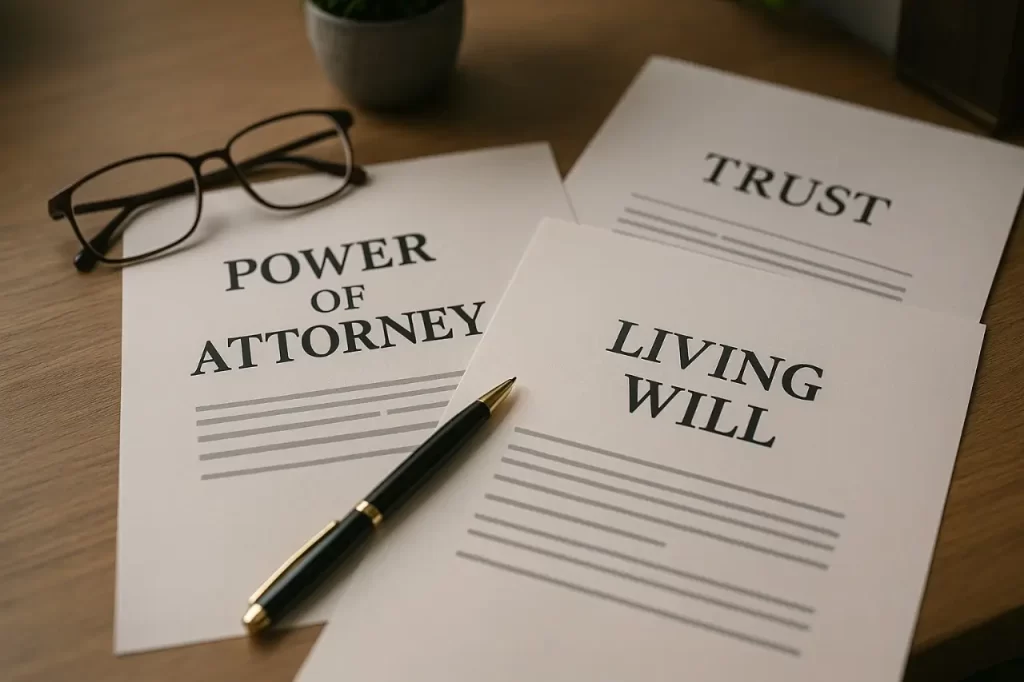
To avoid serious legal complications, it’s imperative to act while your cognitive capacity is still intact. Essential documents include:
- Durable Power of Attorney: Assign someone you trust to manage your financial affairs if you become unable to do so yourself.
- Health Care Surrogate: Authorize someone to make medical decisions on your behalf.
- Living Will: Specify your preferences regarding end-of-life care clearly.
- Revocable Living Trust: Allow trusted individuals to manage your assets without court involvement.
These documents form the foundation of any sound estate planning for disease in Florida plan. Creating these documents early prevents uncertainty and legal battles when Alzheimer’s progresses.

Example: Alzheimer’s Estate Plan Contested in Court

Imagine a Father whose cognitive decline due to Alzheimer’s became severe. As his condition worsened, he hastily created an estate plan intending to protect his assets and distribute his estate according to his wishes. Unfortunately, because this plan was drafted late in his cognitive decline, a distant relative who had never assisted or cared for the Father during his lifetime contested the estate plan.
In court, this relative argued that the Father lacked the mental capacity to execute valid estate documents, seeking a larger inheritance under Florida’s intestacy statutes. Tragically, the court agreed with the contesting relative, invalidating the Father’s carefully crafted estate plan. This decision severely impacted the family members who had genuinely supported and cared for him, leading to emotional distress and irreparable family divisions.

How Florida Law Protects or Undermines Your Wishes
In the example above, the Father’s delayed action and deteriorated cognitive condition left his estate vulnerable to a successful legal challenge under Florida Statutes Chapter 732 (intestate succession) and Statute §744.331 (mental incapacity). Courts often invalidate estate documents signed by individuals lacking the necessary mental capacity.
To avoid similar tragedies:
- Act early: Don’t wait for severe symptoms before planning.
- Ensure mental capacity documentation: Obtain medical evaluations confirming mental capacity at the time of document signing.
- Regularly update documents: Maintain current documents reflecting your true intent.
- Include witness statements: Witnesses can testify to your cognitive clarity and intentions.
These steps offer protection and clarity, ensuring your wishes are honored.

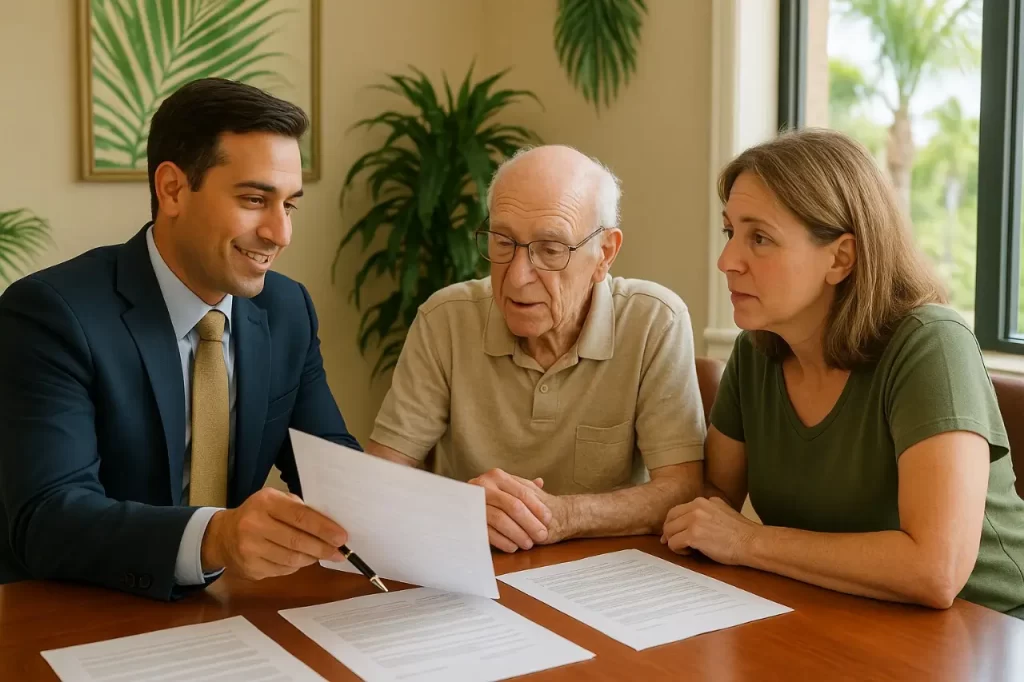
Helping Florida Families Plan for Alzheimer’s Since 2016
Since opening my firm in 2016, I’ve specialized in estate planning for disease in Florida, helping families maintain dignity and control. Witnessing firsthand the distressing impact cognitive diseases have on my clients and their loved ones reinforces my dedication. Every day, I strive to provide strategic, compassionate counsel, helping families create comprehensive plans that maintain dignity, protect assets, and ensure their wishes are respected.

Why Estate Planning for Disease in Florida Matters Deeply
Alzheimer’s disease devastates lives—I’ve seen its profound impact. Families often feel helpless as loved ones drift away, physically present but mentally distant. My goal is always to protect dignity, autonomy, and family unity through meticulous, compassionate legal planning. Each family I serve becomes part of my story; their challenges resonate deeply with me, motivating me to deliver empathetic and thorough legal guidance. Ensuring families avoid unnecessary pain drives my passion every single day.

Books Worth Reading
Fun Learning with Celebrity News Videos

You have three ways to get in touch with me:
- 📞 Call: (305) 634-7790
- 📧 Email: JO@JOValentino.com
- 🌐 Online Form: www.JOValentino.com/contact
FAQs
Why is early estate planning important in Alzheimer’s cases?
Alzheimer’s affects legal capacity. Planning early ensures your documents are valid and legally enforceable.
What documents should be created before cognitive decline?
Durable Power of Attorney, Health Care Surrogate, Living Will, and a Revocable Trust are essential in Florida.
What if a relative challenges the estate plan?
If cognitive capacity isn’t proven, Florida courts may invalidate the documents and apply intestate succession laws.
Does Florida allow guardianship without a plan?
Yes, courts can appoint guardians if no legal documents exist. This often leads to loss of control and court fees.

Disclaimer
This article is for informational purposes only and does not constitute legal advice or create an attorney-client relationship. Reading this does not make me your lawyer – I can only accept that role through a signed written agreement with you, after we’ve both agreed to it. Every situation is unique, and laws change. Please consult me (or another qualified attorney) for advice tailored to your specific circumstances. Until you receive a signed writing from me confirming I’ve agreed to be your attorney, please do not assume any guidance here applies to your exact situation. I am licensed in Florida, and any references to laws are based on the current statutes and rules as of the time of writing. I strive for accuracy, but I cannot guarantee that all information here remains up-to-date or applicable to all readers. In short: Let’s talk one-on-one before making big decisions. I’m here when you’re ready.
Thank you for reading, and I wish you and your family the very best in wealth, health, and happiness.




Share: